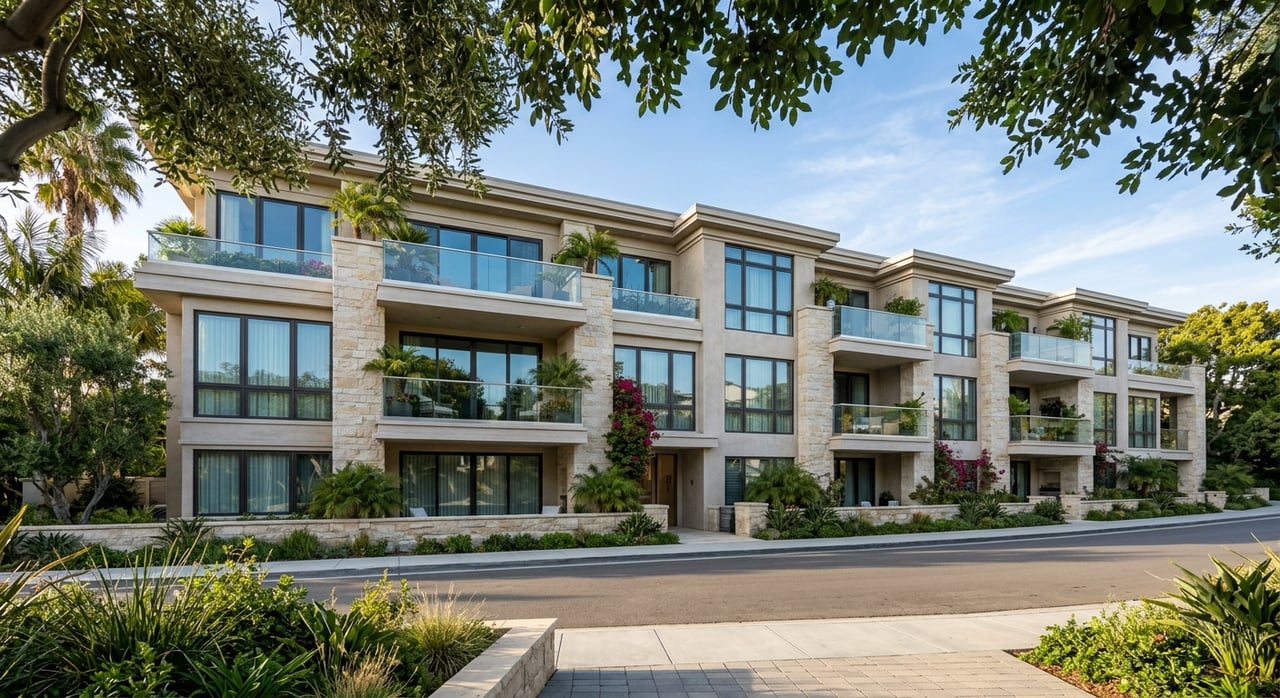
If you are thinking about buying an investment or vacation property in Pismo Beach, one question matters more than almost any other: will the property actually work for the way you want to use it? In a market known for ocean views, tourism, and second-home appeal, it is easy to focus on the lifestyle first and the rules second. The good news is that with the right due diligence, you can evaluate a property with more clarity, fewer surprises, and a stronger plan. Let’s dive in.
Why Pismo Beach draws investors
Pismo Beach has long been tied to tourism and seasonal use, which makes it a natural place to consider a second home or income-producing property. The city’s Housing Element notes that 1,233 vacant units were classified as seasonal, recreational, or occasional use, showing that part-time occupancy is already a meaningful part of the local housing pattern.
That same report shows a varied housing mix. About 59% of units were single-family detached, 11% were single-family attached, 9% were multifamily with 2 to 4 units, 9% were multifamily with 5 or more units, and 13% were mobile homes. For you as a buyer, that means your options may include condos, smaller multifamily properties, and other product types, not just detached beach houses.
Pismo Beach is also an expensive market with limited inventory. As of May 2026, Zillow reported an average home value of $1,119,737, Redfin reported a median sale price of $1.41 million over the prior three months, and Realtor.com showed 78 homes for sale and 11 homes for rent. The exact figures vary by source, but they point to the same takeaway: you are underwriting in a high-cost market where inventory can be tight.
Start with zoning and permit status
Before you think about nightly rates or seasonal demand, confirm whether the property can legally be used the way you intend. In Pismo Beach, this is a parcel-by-parcel question, not a broad assumption you can make based on location or appearance.
The city states that properties inside the Coastal Zone are governed by a different zoning code than properties outside it. Its parcel viewer can show zoning, land-use designation, Coastal Zone status, and overlay zones for a specific address or APN. That matters because overlay zones can add another layer of requirements beyond the base zoning.
Know the difference between VR and STR
Pismo Beach makes a clear distinction between Vacation Rentals and Short-Term Rentals. These are not interchangeable labels, and the difference can change your entire strategy.
According to the city, Vacation Rentals are permitted in C-1, RR, and R-4 zones and do not require the owner to live in the property during the year. Short-Term Rentals are stays of less than 30 consecutive days and are limited to R-1, R-2, R-3, OS-1, and OS zones. The city also says no new STR permits are being approved, and those rules apply only to existing permitted STR properties.
That means you should not assume a property can be listed for short stays just because similar homes nearby appear to be rentals. A property’s exact zoning and permit history matter.
Why a sale can change everything
One of the biggest details buyers miss is permit transferability. In Pismo Beach, the city says permits do not transfer when a property sells.
That single rule can have a major impact on value. A home that worked one way for the current owner may not offer the same use to you after closing. The city also states there is no waitlist for a vacation rental permit, and properties must meet all code requirements before an application can even be made.
For that reason, it is smart to verify the intended use case before removing contingencies. If your plan depends on rental income, this step should be near the top of your due diligence list.
Understand the fallback rental strategy
Not every property that misses on a short-term plan is a dead end. The city states that long-term month-to-month leases are not regulated by the VR/STR ordinance.
That creates a potential fallback path for some buyers. If short-term use is not allowed, a property may still function as a long-term rental or simply as a second home. Still, this only helps if the broader numbers make sense for your ownership goals.
Underwrite the real operating costs
In a coastal market like Pismo Beach, gross income can look exciting at first glance. But your actual performance depends on what is left after taxes, fees, maintenance, and turnover costs.
For stays of 30 days or less, the city says lodging businesses collect an 11% transient occupancy tax, a 2% lodging business improvement district assessment, and a 1.5% San Luis Obispo County Tourism Marketing District assessment. Added together, that is 14.5% before other operating expenses.
Your underwriting should also include:
- Property management fees
- Cleaning and turnover costs
- Utilities
- Platform fees
- Repairs and routine maintenance
- Insurance costs
- Reserve funds for future capital expenses
This is where many buyers sharpen their decision. A property may still be a strong fit, but only after you model the net numbers rather than the headline revenue.
Older homes can mean bigger capital costs
Pismo Beach has an older housing stock, and that matters. The city’s Housing Element says 74% of homes are over 30 years old, and 32% are over 50 years old.
Older homes may need larger updates to plumbing, electrical, roofing, or insulation. The city also notes that seasonal occupancy can postpone maintenance, which is especially relevant when you are evaluating a vacation property that may not have been used full-time.
If you are comparing two homes with similar asking prices, one may carry much higher near-term ownership costs than the other. Inspection findings, deferred maintenance, and likely capex should be part of your investment math from day one.
Plan for approvals and timing
Some buyers focus only on purchase price and expected income. In Pismo Beach, you should also think about timing, process, and the possibility of added review.
The city notes that some projects can be approved directly by staff, while others require a public hearing. Depending on the property and your plans, that can affect your timeline and pre-closing decision-making.
A realistic budget should account for:
- Application or review costs
- Compliance-related work
- Possible delays before intended use begins
- Any property changes needed to meet code requirements
This does not mean every property will face a long process. It does mean that a careful buyer should leave room for more than just the purchase itself.
Check flood and wildfire exposure
Pismo Beach’s appeal comes with site-specific risk factors that can affect both cost and insurability. Flood exposure is one of them.
The city’s Housing Element says flooding hazards come from Pismo Creek and Price Canyon, the Meadow Creek and Pismo Marsh drainage ways, and the ocean. The city’s FEMA flood-maps page states that the current countywide Flood Insurance Study became effective June 6, 2024. For you, that means flood-zone status, drainage, elevation, and insurance cost should all be reviewed before you commit.
Wildfire exposure also matters. In the city’s Safety Element analysis, about 26% of Pismo Beach was in a Very High Fire Hazard Severity Zone, with about 1,000 properties in that zone.
If you are looking at a coastal hillside or edge location, ask early about:
- Fire-zone classification
- Insurance availability and pricing
- Defensible space needs
- Home-hardening considerations
Even a beautiful property can become a tougher investment if insurance costs strain your projected return.
A practical way to evaluate a property
When you look at a Pismo Beach investment or vacation property, it helps to use a simple filter. Instead of asking only whether you like the property, ask whether the property supports your goals legally, financially, and practically.
A strong review process usually includes these questions:
- What is the exact zoning?
- Is the property inside the Coastal Zone?
- Are there overlay zones that add requirements?
- Is the intended use allowed under the parcel’s permit status?
- If short-term use is not available, does the long-term or second-home plan still make sense?
- What will taxes, assessments, management, insurance, and maintenance do to the net return?
- How much capital improvement work is likely because of age and condition?
- Do flood or wildfire risks change the affordability of ownership?
In a market like Pismo Beach, careful due diligence is not just a box to check. It is the difference between buying with confidence and buying with assumptions.
If you are exploring a condo, coastal home, land opportunity, or another investment-minded purchase on the Central Coast, working with someone who knows how to look beyond the listing can make the process feel a lot clearer. When you are ready to talk through your goals and evaluate options, connect with Michelle Boghosian.
FAQs
What should you verify before buying a vacation property in Pismo Beach?
- You should confirm the property’s zoning, Coastal Zone status, overlay zones, permit history, likely operating costs, and site-specific flood or fire exposure before assuming it will work as a vacation rental or investment.
Can you buy a Pismo Beach home and immediately use it as a short-term rental?
- Not necessarily. The city says use depends on the parcel’s zoning, whether the property qualifies as a Vacation Rental or Short-Term Rental, and whether there is an existing permitted STR status.
Do short-term rental permits transfer with a property sale in Pismo Beach?
- No. The city states that permits do not transfer when a property sells.
Are new short-term rental permits available in Pismo Beach?
- The city says no new STR permits are being approved, and the rules apply only to existing permitted STR properties.
What taxes apply to stays of 30 days or less in Pismo Beach?
- The city says lodging businesses collect an 11% transient occupancy tax, a 2% lodging business improvement district assessment, and a 1.5% San Luis Obispo County Tourism Marketing District assessment, for a combined 14.5% before other expenses.
Can a Pismo Beach property still work as a long-term rental if short-term use is not allowed?
- Possibly. The city says long-term month-to-month leases are not regulated by the VR/STR ordinance, so some buyers may have a fallback strategy depending on the property and their goals.
