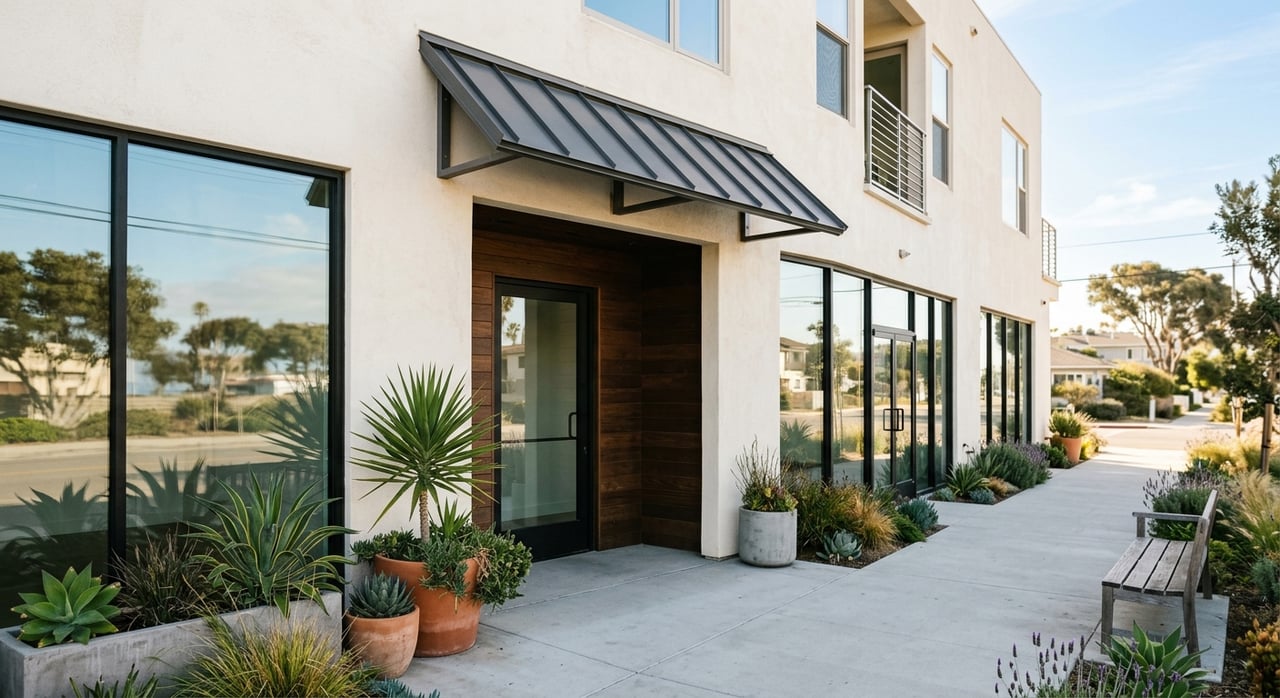
Thinking about buying land or a small commercial property in Pismo Beach? It can be exciting to picture the possibilities, but this is one market where a great-looking parcel or storefront does not always mean a simple path forward. If you want to avoid expensive surprises, you need to understand how zoning, coastal rules, overlays, and local approvals shape what you can actually do with a property. Let’s dive in.
Start With Zoning First
In Pismo Beach, zoning is the first gate for any land or small commercial purchase. The city uses zoning to control what can be built, how large a building can be, height, setbacks, parking, and whether a project can be approved by staff or needs Planning Commission review.
That means your first question should not be, “Do I like this property?” It should be, “What is this property legally allowed to do today?” A parcel may look perfect for your plans, but the zoning may point you in a very different direction.
Coastal Status Can Change Everything
Pismo Beach says about two-thirds of the city is in the coastal zone. That matters because coastal status can affect the permit path, timing, and level of review.
The city also notes that most development requires planning permits. Some projects can move through administrative review, while others need Planning Commission review. Nearly all projects in the coastal appeal zone require Planning Commission review, so a property’s location inside or outside these areas can have a major impact on your timeline.
Check Overlay Maps Early
Base zoning is only part of the story. Pismo Beach also uses overlay maps that can add floodplain, hazard protection, height limitations, view considerations, public visitor, and visitor-serving constraints.
These overlays matter because they can shrink your building envelope or limit redevelopment options, even when the base zoning looks workable. Before you write an offer, make sure you know whether overlays affect the parcel and how they could shape your plans.
Know Which Commercial Zone You’re Buying
Not all commercial property in Pismo Beach works the same way. Two parcels may both be called commercial, but their allowed uses can be very different.
C-1 Retail Commercial
The C-1 zone is intended for retail stores, offices, and service establishments that support a pedestrian shopping environment. Permitted uses include retail stores, offices, service establishments, restaurants, banks, laundromats, and indoor theaters.
If your goal is a straightforward retail or service use, C-1 may fit well. If you need a heavier commercial use, it may not.
C-2 General Commercial
The C-2 zone allows all C-1 uses and also permits more intensive commercial activity. That can include auditoriums, outdoor auto, boat, or trailer sales, automobile repair garages, trade schools, and other heavier commercial uses.
This distinction matters for both your current use and future resale. A buyer pool for a lighter retail space may be different from the buyer pool for a more intensive commercial site.
Downtown and Other Commercial Districts
Pismo Beach has several other commercial districts with distinct purposes. The downtown commercial district includes a CD-M mixed-use and resident-serving subarea intended for commercial, residential, hotels, motels, and other multiple-use projects.
The CG zone is aimed at pedestrian-scale retail, office, and personal-service uses and has a maximum floor area ratio of 2.0. The CS zone is for more intensive commercial and non-polluting light manufacturing or industrial uses and has a maximum floor area ratio of 1.5. The CRS zone is intended for resort commercial and visitor-serving uses.
Mixed-Use Rules Matter More Than You Think
A mixed-use building can sound flexible, but Pismo Beach has specific rules that can affect layout and long-term value. In mixed-use projects, the street-facing ground floor generally must remain commercial, with only limited exceptions.
The city also requires residential parking to be provided on-site and reserved for residents. So even if a property is legally mixed-use or commercial, the actual design, parking, tenant mix, and street-front requirements may narrow how you can use it.
Key Due Diligence Before You Write an Offer
If you are serious about buying land or a small commercial property in Pismo Beach, a basic review is not enough. You want to confirm the legal, physical, and operational details early.
Pull County Records
San Luis Obispo County offers a property information search through the Assessor with building record and appraisal information for current property owners. The County Clerk-Recorder also provides a recorded-documents search and title-search guidance for official records connected to real property.
This is one of the best early steps you can take. It helps you verify what is on record before you get too far into negotiations.
Review Property Tax Timing
Carry costs matter, especially if you are buying for investment or future development. In San Luis Obispo County, secured property taxes are billed on a fiscal-year basis from July 1 to June 30 and are payable in two installments.
The first installment is due November 1 and becomes delinquent after December 10. The second is due February 1 and becomes delinquent after April 10. If the purchase includes business equipment or fixtures, unsecured property taxes may also apply to those assets.
Confirm Business License Needs
Pismo Beach requires a business license for all businesses and in-home businesses operating within city limits. This includes temporary activities and contractors with offices outside the city.
If you are buying for owner occupancy, tenant use, or future lease-up, this is not a small detail. You want to make sure the intended business use can meet city requirements from the start.
Verify Water, Sewer, and FOG Requirements
The city’s Public Works Department manages water and wastewater, and the city provides both water and sewer service. The city currently reports Normal Water Supply conditions.
At the same time, the city states that new irrigated turf installation is prohibited for all development under its urgency ordinance. That can affect your budget and site design. If your intended use involves food service or a commercial or institutional kitchen connected to the city sewer system, the city’s FOG program also applies.
Consider Environmental Due Diligence
Environmental review is especially important with commercial land and certain small commercial properties. The EPA says commercial and other non-residential buyers commonly use All Appropriate Inquiries and a Phase I Environmental Site Assessment to evaluate contamination risk and potential CERCLA liability.
The EPA also notes that AAI generally must be conducted or updated within one year before acquisition, with certain elements updated within 180 days. If the site has a history of auto, fuel, industrial, or restaurant use, this step deserves close attention.
Build Your Exit Strategy Up Front
One of the smartest ways to evaluate a Pismo Beach property is to think about the exit before you buy. Your future value is tied not just to location, but to what the parcel can legally support.
That is especially true in a market where zoning can limit use to specific retail and service formats, require commercial street frontage in mixed-use projects, or place a property in a more limited district. Those rules shape your future buyer or tenant pool, which can affect resale and lease-up options.
When to Bring in Specialists
Some properties need more than a quick review. Bringing in the right people early can save you time and money.
Consider getting added support when:
- The parcel is in the coastal zone or coastal appeal zone
- Your plan involves a change in use or density
- A variance may be needed
- Overlay maps show flood, height, view, or visitor-serving constraints
- The property has a higher-risk use history such as auto, fuel, industrial, or restaurant operations
Pismo Beach says planning staff can help confirm whether a business use is allowed and what the development review path looks like. Once the zoning screen looks promising, a land-use consultant, environmental consultant, civil engineer, surveyor, or lender may become important depending on the deal.
Questions to Answer Before You Make an Offer
A strong offer starts with clear answers. Before you move forward, make sure you can answer these practical questions:
- What exact use is allowed on the property today?
- Is that use by right, administrative, or subject to Planning Commission review?
- Is the parcel inside the coastal zone or coastal appeal zone?
- Do overlay maps add flood, height, view, or visitor-serving limits?
- Can the intended business meet city business license requirements?
- If needed, are water, sewer, and FOG requirements workable for the use?
- Does your likely future buyer or tenant want the same use, or would new entitlements be needed later?
Why Local Guidance Matters
Buying land or small commercial property in Pismo Beach is rarely just about price per square foot or curb appeal. The real value comes from understanding what the property can legally, physically, and financially support.
That is where calm, local guidance can make a real difference. If you want help evaluating a parcel, reviewing a small commercial opportunity, or thinking through value and resale potential on the Central Coast, connect with Michelle Boghosian.
FAQs
What should you check first when buying land in Pismo Beach?
- Start with the property’s zoning, coastal-zone status, and overlay maps because those factors affect allowed use, building limits, parking, setbacks, and the approval process.
How does coastal-zone status affect a Pismo Beach property purchase?
- Coastal-zone status can change entitlement timing and review, and nearly all projects in the coastal appeal zone require Planning Commission review.
What is the difference between C-1 and C-2 commercial zoning in Pismo Beach?
- C-1 is intended for retail, office, and service uses in a pedestrian shopping setting, while C-2 allows those uses plus more intensive commercial activity such as auto repair, trade schools, and outdoor vehicle sales.
What special rules apply to mixed-use property in Pismo Beach?
- In mixed-use projects, the street-facing ground floor generally must remain commercial, and residential parking must be provided on-site and reserved for residents.
What due diligence matters most for small commercial property in Pismo Beach?
- Focus on zoning, coastal status, overlay maps, county records, property tax timing, business license requirements, water and sewer service, FOG compliance if relevant, and environmental review when the use history suggests risk.
When should you bring in a specialist for a Pismo Beach commercial or land purchase?
- Bring in added help early if the parcel is in the coastal zone, needs a use or density change, may require a variance, has overlay constraints, or has a higher-risk environmental history.
